
Cellular shades are known for their clean design and insulating properties that yes, save on energy bills. But what many people don’t realize is that the materials used inside the shade play a huge role in how well they perform.
From the fabric that forms the honeycomb cells to the internal components that allow the shade to operate smoothly, every material choice affects durability, efficiency, and environmental impact.
Here’s a closer look at what cellular shades are made of, and why those materials matter.
The Fabric: Why Cellular Shades Are Made of Polyester

Nearly all cellular shades are made from polyester fabric, and there’s a good reason for that.
The unique honeycomb structure of cellular shades is designed to trap air inside the cells, creating an insulating barrier between your window and your home. To maintain that shape and provide consistent insulation, the fabric needs to be stable, durable, and able to hold its structure over time.
We choose to craft our shades from polyester fabric because it is:
- Strong and durable
- Able to hold its pleated shape
- Resistant to stretching and sagging
- Effective at maintaining the honeycomb structure that traps insulating air
Natural fibers like cotton may seem appealing, but they simply don’t hold their shape well enough for cellular shades. A softer, more breathable fabric would collapse over time, reducing both insulation and durability.
In other words, polyester isn’t just a convenient choice, but an essential for the performance that makes cellular shades so effective at blocking light and insulating your space.
Not All Polyester Fabrics Perform the Same

While cellular shade fabric is always polyester, there are different manufacturing methods that affect performance.
Two common types include:
Spun Lace polyester
This is a woven polyester fabric. Under magnification, its structure looks somewhat like cotton candy, with tiny fibers woven together. Because of that structure, the material can have microscopic gaps that allow air to pass through more easily.
Bonded polyester
Bonded fabrics are created through a process that fuses fibers together more tightly. This helps seal tiny gaps in the material, allowing the shade to trap air more effectively inside the honeycomb cells.
A more sealed fabric structure generally results in better insulation performance, which is one reason material quality is so important when evaluating cellular shades.
At EcoSmart Shades, we work to source the highest quality fabrics available to make sure our shades achieve the best balance of insulation, durability, and longevity.
Balancing Performance and Environmental Impact
Choosing the right fabric also means thinking about sustainability.
At EcoSmart Shades, one of our priorities is finding materials that perform well while minimizing environmental impact. Polyester may not be a natural fiber, but it often proves to be a more environmentally responsible option for this type of product.
Why?
Because the fabric must maintain its structure for years of daily use. If a shade loses its shape, insulation performance drops and the product needs to be replaced sooner.
By selecting durable materials that maintain their structure over time, we can help make sure our shades last longer, which ultimately reduces waste.
In other words, the goal is to find the best balance between performance, durability, and environmental responsibility.
The Hidden Components That Make Shades Work
While the fabric gets most of the attention, the internal components of a shade are just as important.
High-quality cellular shades rely on durable materials that allow the shade to operate smoothly and last for years. EcoSmart Shades uses premium internal components, including:
- Extruded aluminum parts
- Stainless steel hardware
These materials are chosen for their strength and resistance to wear. Strong internal components mean the shades:
- operate more smoothly
- resist corrosion and damage
- last longer with daily use
In some cases, they also make the shades easier to clean. For example, certain light-filtering shades can even be safely submerged in water for cleaning because stainless steel components are resistant to moisture.
Designed to Last, and Stay Out of Landfills
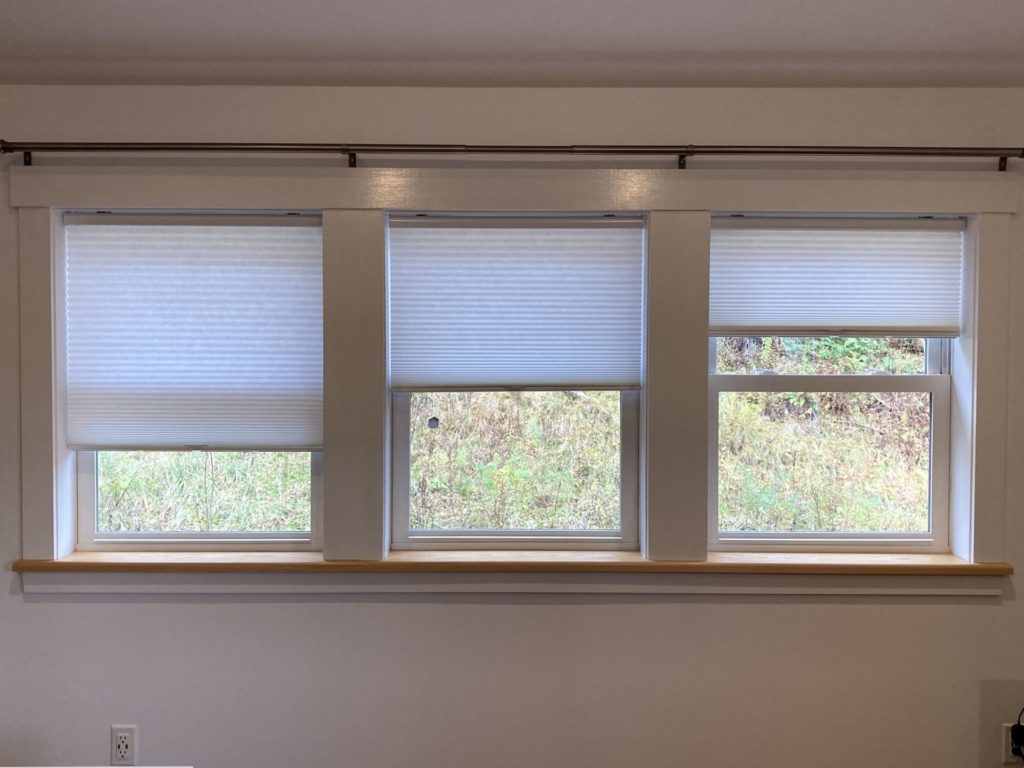
One of EcoSmart Shades’ founding principles is simple:
create window treatments that last.
When shades are made with durable fabrics and high-quality components, they’re far less likely to fail or need replacement. That means fewer products end up in landfills.
By focusing on quality materials and thoughtful design, EcoSmart Shades aims to provide shades that deliver long-term value while reducing waste.
Why Materials Matter More Than You Think
Cellular shades may look simple, but the materials behind them are carefully chosen to balance:
- insulation performance
- durability
- smooth operation
- environmental responsibility
The right combination of high-quality polyester fabrics and durable internal components makes sure that cellular shades continue performing the way they should, keeping your home comfortable while standing up to everyday use.
With any questions about the style of Cellular Shade that works best for your space, don’t hesitate to reach out to our team of Shade Gurus for personalized advice.