
If you’re choosing between mini blinds and cellular shades, you’re not alone— they’re two of the most common window treatments out there.
At first glance, they seem similar: both cover your windows and help control light. But the way they function, and how they impact your home over time, is quite different.
Here’s a closer look at how mini blinds vs. cellular shades compare, so you can decide which is the best fit for your space.
What Are Cellular Shades?
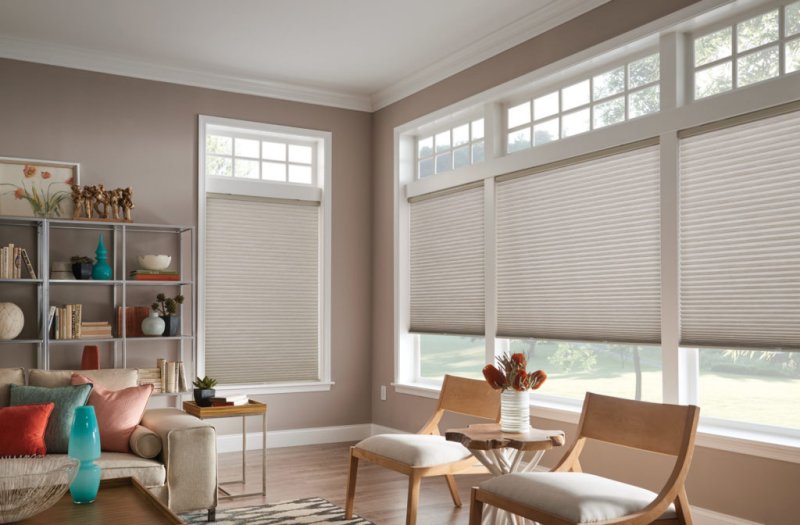
Cellular shades, also known as honeycomb shades, are made from soft fabric that forms a series of air pockets, or “cells,” across the surface of the shade.
These cells are specifically designed to trap air, creating a layer of insulation between your window and your home. This added barrier helps regulate indoor temperature, trapping warm air in during colder months and blocking excess heat in the summer. As a result, cellular shades are often chosen not just for how they look, but for how they improve comfort and energy efficiency over time. In fact, cellular shades are scientifically proven to save on energy bills.
Beyond insulation, cellular shades offer a softer, more uniform approach to light control. Instead of directing light through slats, they gently diffuse it, creating an even and calming atmosphere in a space. At EcoSmart Shades, we carry cellular shades in a range of opacities, from light-filtering to blackout, as well as a variety of styles, such as top-down/bottom-up.
With their clean lines and minimal profile, cellular shades tend to feel more integrated into a room’s design, making them a popular choice for living spaces, bedrooms, and anywhere comfort and aesthetics both matter.
What Are Mini Blinds?
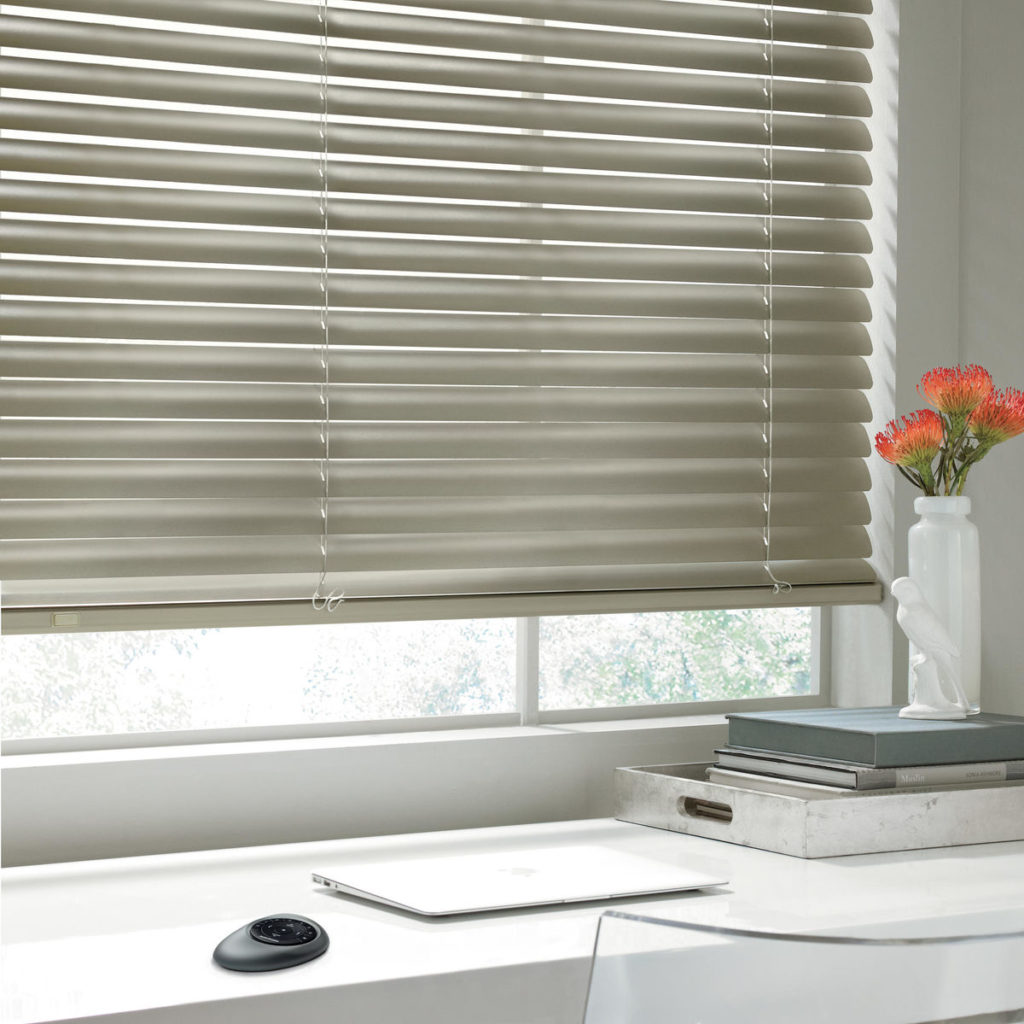
Mini blinds are made of narrow horizontal slats, typically aluminum or vinyl, that can be tilted open or closed to control light and privacy.
Mini Blinds are known to be simple, widely available, and relatively inexpensive. Their slatted design allows you to angle incoming light, which can be helpful for reducing glare while still letting some brightness into a room. They’re also lightweight and easy to install, making them a common choice for rentals, offices, or utility spaces.
That being said, mini blinds are primarily designed for basic functionality. Because they’re made from thin, hard materials, they don’t provide insulation, and the gaps between slats allow light, and sometimes visibility, to pass through even when fully closed. Over time, their slats bend or warp, and cords may tangle, which affect both appearance and usability. While they serve a purpose, mini blinds are generally best suited for situations where simplicity and cost are the main priorities.
Mini Blinds vs. Cellular Shades: Key Differences to Consider
1. Energy Efficiency
This is one of the biggest differences between the two styles.
- Mini blinds: Primarily control light, but don’t offer much insulation
- Cellular shades: Designed to help regulate indoor temperature by trapping air at the window
2. Light Control
Both options manage light in different ways:
- Mini blinds: Allow you to angle light with adjustable slats
- Cellular shades: Filter light evenly or block it completely (with blackout options)
3. Privacy
- Mini blinds: Provide privacy when closed, though small gaps between slats can let in light
- Cellular shades: Offer more continuous coverage, especially in blackout styles
4. Durability & Maintenance
- Mini blinds: Slats can bend or tangle over time, and may show wear more quickly
- Cellular shades: Maintain their shape well and typically have fewer exposed surfaces for dust
6. Cost
- Mini blinds: Lower upfront cost
- Cellular shades: Higher initial investment, with added performance benefits (such as saving on energy bills) and greater longevity.
Which Option Is Right for You?
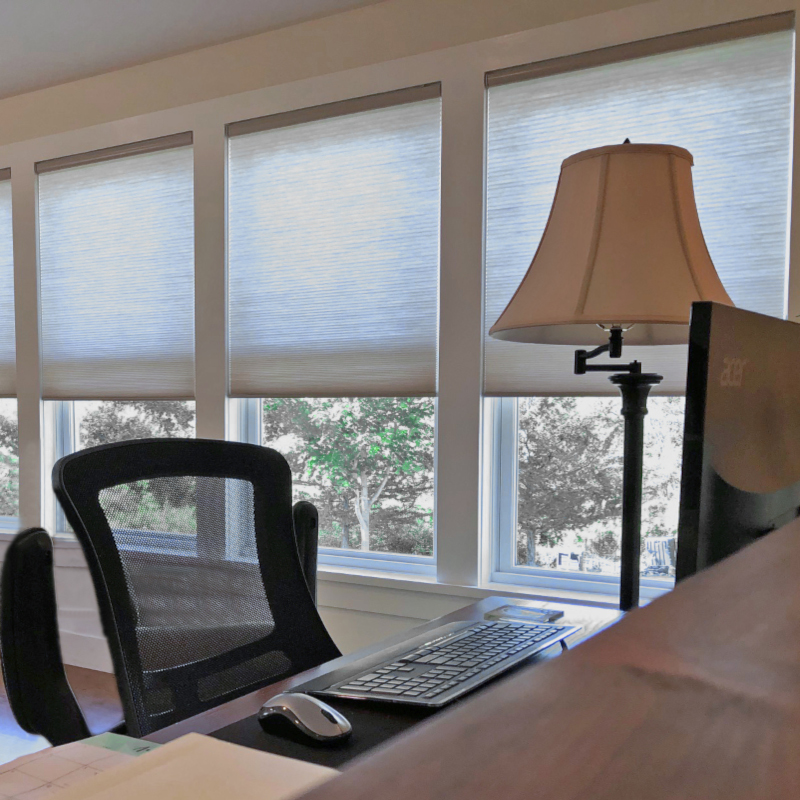
Both mini blinds and cellular shades have their place, it just depends on your priorities.
Mini blinds may be a good fit if you:
- Need a budget-friendly option
- Want simple, adjustable light control
- Are outfitting a more utilitarian space
Cellular shades may be worth considering if you:
- Want to improve insulation and comfort
- Prefer softer, more even light
- Are looking for a long-term solution
Mini blinds offer a straightforward, practical solution for covering your windows. Cellular shades, on the other hand, are a better long-term investment and are designed to do a bit more, such as helping with insulation, light quality, and overall comfort.
If you’re deciding between the two, it often comes down to whether you’re looking for a simple fix or something that contributes to how your space feels day to day.
Mini Blinds vs. Cellular Shades FAQs
Are cellular shades more energy efficient than mini blinds?
Yes. Cellular shades are specifically designed to trap air and help regulate indoor temperature, while mini blinds primarily control light.
Do cellular shades block light completely?
They can. We offer cellular shades in both light-filtering and blackout options, depending on your preferences.
Which is better for bedrooms?
Many homeowners prefer cellular shades for bedrooms due to their privacy and light control options.