
When temperatures drop, heating bills tend to rise. And while some increase in energy costs is inevitable during the colder months, there are plenty of ways to keep your home comfortable without spending more than necessary.
The good news? You don’t necessarily need to invest in expensive renovations or replace your heating system to make a difference. Small changes, like adjusting your thermostat, sealing drafts, and upgrading your window shades, can help reduce heat loss and improve your home’s energy efficiency.
If you’re wondering how to reduce your energy bill in winter, here are eight practical ways to get started.
1. Insulate Your Windows With Cellular Shades

Windows are one of the biggest sources of heat loss in a home. According to the U.S. Department of Energy, heat gain and heat loss through windows are responsible for 25% to 30% of residential heating and cooling energy use.
Even if you have relatively new windows, heat can still transfer through the glass, making rooms feel colder and forcing your heating system to work harder.
One of the easiest ways to improve window insulation without replacing your windows is to install cellular shades.
Also known as honeycomb shades, cellular shades feature a unique construction that creates pockets of air between the window and the room. These pockets help slow heat transfer, keeping more warmth inside during winter.
Unlike traditional roller shades or blinds, cellular shades are specifically designed to provide an additional layer of insulation.
For maximum energy efficiency, consider:
- Cell-in-cell cellular shades: Two layers of honeycomb-shaped air pockets (one inside the other) provide additional insulation compared to many single-cell designs.
- Blackout cellular shades: Depending on their construction, blackout fabrics can provide additional insulation while blocking unwanted light.
- A snug fit: Properly measured shades help reduce gaps around the edges where air can circulate.
Cellular shades are particularly useful for older homes, rooms with large windows, and spaces that tend to feel drafty during winter.
2. Open Your Window Shades During Sunny Days
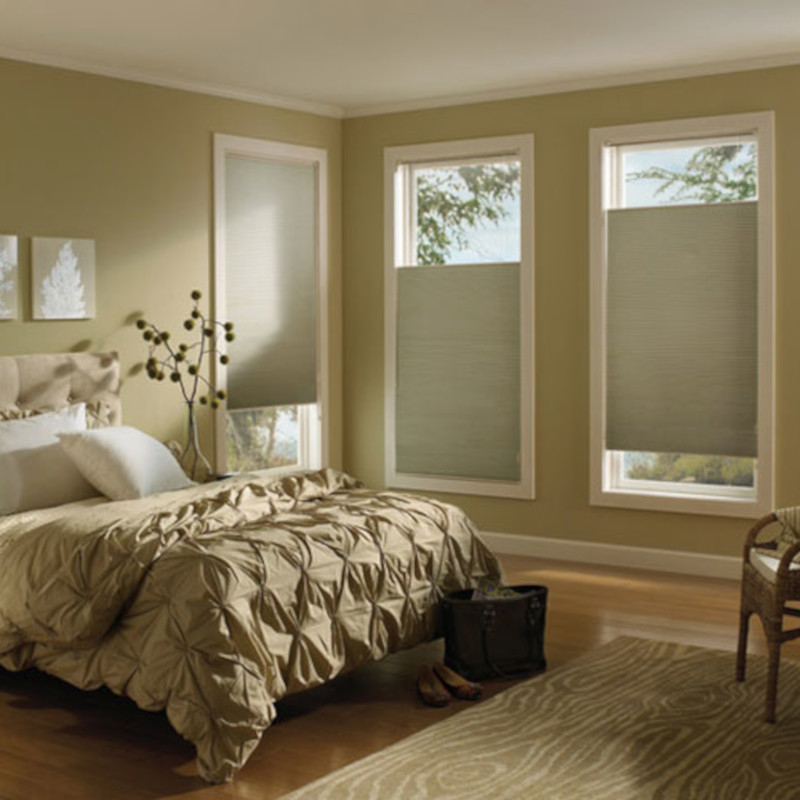
Keeping your shades closed all winter might seem like the best way to conserve heat, but that’s not always the case.
On sunny winter days, opening shades on south-facing windows allows sunlight to enter your home and naturally warm the space. This process, known as passive solar heating, can help reduce the amount of energy needed to maintain a comfortable indoor temperature.
Once the sun goes down, closing your shades helps create an insulating barrier between your windows and the rest of the room.
A simple winter window shade routine might look like this:
- Morning: Open shades on sunny, south-facing windows to let natural warmth inside.
- Afternoon: Keep shades open while direct sunlight is providing useful heat.
- Evening: Close shades as the sun sets to help reduce heat loss overnight.
For north-facing windows or windows that receive little direct sunlight, keeping insulating shades closed for longer periods may be more beneficial.
If you don’t want to adjust your window treatments throughout the day, motorized window shades can make the process easier. Depending on the motorization system, you can schedule your shades to open and close automatically, even when you’re not home.
3. Seal Drafts Around Windows and Doors
Even the most efficient heating system will struggle to maintain a comfortable temperature if cold air is constantly entering your home.
Small gaps around windows, exterior doors, and other openings can allow heated air to escape while letting cold air inside.
Fortunately, many of these issues are relatively inexpensive to fix.
Start by checking for drafts around window frames, door jambs, and thresholds. On a cold or windy day, you may be able to feel air moving through these areas.
Common solutions include:
- Weatherstripping: Apply weatherstripping around movable windows and doors to create a tighter seal.
- Caulk: Seal stationary gaps around window frames, trim, and other openings.
- Door sweeps: Install a sweep at the bottom of exterior doors to reduce cold air entering beneath them.
- Window insulation film: Consider removable insulating film for older windows that are particularly drafty.
Air sealing is often one of the most cost-effective ways to improve a home’s energy efficiency, especially in older houses.
Just remember that window shades provide insulation, not an airtight seal. If your windows are noticeably drafty, addressing the air leaks themselves is an important first step.
4. Adjust Your Thermostat
Lowering your thermostat by just a few degrees can make a meaningful difference in your heating costs over the course of winter.
According to the U.S. Department of Energy, homeowners can save as much as 10% annually on heating and cooling by turning their thermostat back 7–10°F for eight hours a day.
For example, if you normally keep your home at 70°F, you might lower the temperature while you’re at work or sleeping.
A programmable or smart thermostat makes this easier by automatically adjusting temperatures based on your schedule.
However, the ideal approach depends on your heating system. Some heat pumps and radiant heating systems operate more efficiently with consistent temperatures rather than large setbacks.
If you’re unsure, check the recommendations for your particular heating equipment before making major changes.
5. Replace Dirty HVAC Filters
When was the last time you checked your heating system’s air filter?
If you have a forced-air heating system, a dirty filter can restrict airflow, making it harder for your equipment to distribute warm air throughout your home.
Over time, this can reduce efficiency and put unnecessary strain on your system.
Check your filter regularly during the heating season and replace it according to the manufacturer’s recommendations.
It’s also worth making sure that furniture, rugs, and other household items aren’t blocking supply or return vents.
If you use a heat pump, follow the manufacturer’s filter-cleaning and maintenance instructions. Keeping indoor filters clean and outdoor units clear of snow and ice can help the system operate properly throughout winter.
6. Use Ceiling Fans to Circulate Warm Air
Ceiling fans aren’t just for keeping cool in summer. Because warm air naturally rises, rooms with high ceilings can develop noticeable temperature differences between the floor and ceiling.
Many ceiling fans have a reverse setting that allows them to operate clockwise at a low speed. This helps redistribute warm air that has collected near the ceiling without creating a strong breeze.
While a ceiling fan doesn’t generate additional heat, improving air circulation can make a room feel more comfortable and may allow you to lower your thermostat slightly.
This strategy is especially useful in rooms with vaulted ceilings or open floor plans.
Just remember that ceiling fans use electricity, too. Turn them off when they’re not providing a useful benefit.
7. Add Insulation Where It Matters Most
If your home is consistently difficult to heat, inadequate insulation could be part of the problem.
Heat can escape through attics, walls, floors, and other areas of the building envelope. In many homes, improving insulation and sealing air leaks can substantially reduce heating demand.
The attic is often a good place to start, particularly in older homes.
Before adding insulation, it’s important to address air leaks and any moisture problems. Simply adding more insulation without fixing these issues may not deliver the results you’re hoping for.
A professional home energy audit can help identify where your house is losing the most heat and which improvements are likely to offer the greatest return.
Depending on where you live, your utility company or state energy efficiency program may offer rebates or incentives for insulation and weatherization improvements.
8. Make Better Use of Your Heating System
Sometimes, reducing your winter energy bill is less about buying something new and more about making better use of the equipment you already have.
A few simple habits can help:
- Keep heating equipment maintained. Schedule professional maintenance as recommended to keep your system operating efficiently.
- Avoid overheating unused spaces. If your heating system supports zoning, consider lowering temperatures in rooms you rarely use, while maintaining safe minimum temperatures.
- Keep radiators and vents unobstructed. Furniture and curtains can interfere with heat distribution.
- Use space heaters carefully. Electric space heaters can be useful for heating a small occupied area, but they can also consume a significant amount of electricity. Follow all safety recommendations and never leave them unattended.
It’s also worth reviewing your utility bills to understand how much energy you’re actually using. Comparing energy consumption rather than just the total dollar amount can help you determine whether your efficiency improvements are making a difference.
What Is the Cheapest Way to Reduce Your Heating Bill?
If you’re working with a limited budget, start with the improvements that require little or no upfront investment.
Adjusting your thermostat, opening shades to capture winter sunlight, closing them at night, and keeping heating equipment properly maintained are all relatively simple ways to reduce unnecessary energy use.
Next, focus on inexpensive improvements like weatherstripping, caulking, and sealing small air leaks.
If you’re ready to invest in longer-term energy efficiency upgrades, insulating window treatments are worth considering, particularly if your windows are a major source of heat loss.
For many homeowners, the best approach is a combination of small daily habits and targeted improvements that address the specific needs of their home.
Do Window Shades Really Help Keep Heat In?

Yes! While window shades can’t completely prevent heat loss, certain styles can make a noticeable difference in how well your windows insulate your home.
Cellular shades are particularly effective because their honeycomb-shaped air pockets help slow heat transfer through the window.
Because of this, cellular shades allow your home to stay at a stable temperature without extra work from your heating and cooling units, and are the most economical way to insulate your windows.
For the best results, choose cellular shades that fit your windows properly and close them during cold evenings and overnight.
Keep Your Home Warmer This Winter With EcoSmart Shades
Reducing your winter energy bill doesn’t have to mean sacrificing comfort.
By combining smart heating habits, proper air sealing, and energy-efficient window treatments, you can help keep more warmth inside your home while reducing unnecessary energy use.
At EcoSmart Shades, we offer custom cellular shades designed to improve insulation, manage natural light, and make your home more comfortable throughout the year.
Whether you’re dealing with drafty windows, cold bedrooms, or rising heating costs, the right window shades can be a simple but effective part of your winter energy-saving strategy.
Explore our custom cellular shades and find the right fit for your windows.