
There’s nothing quite like sitting next to a window in the middle of winter and feeling a rush of cold air. Even with the heat running, drafty windows can make an otherwise comfortable room feel downright chilly! And if you live somewhere with particularly cold winters (like we do here in Vermont), you know just how much of a difference your windows can make.
The good news? You don’t necessarily need to replace your windows to make your home more comfortable. The right window shades can add a layer of insulation between your windows and your living space, helping reduce heat loss and keep rooms warmer during the colder months.
But not all window shades are equally effective at insulating your home. Let’s take a look at the best window shades for drafty windows, how they work, and what to consider when choosing them.
Why Do Windows Feel So Drafty?
Before we get into window shades, it’s helpful to understand why your windows might be making your home feel cold in the first place.
Sometimes, there’s an actual draft. Small gaps around window frames, worn weatherstripping, or deteriorating seals can allow cold outdoor air to enter your home.
Other times, what feels like a draft is actually heat loss through the window itself. Glass is a relatively poor insulator, especially in older, single-pane windows, and when the glass becomes cold, it cools the air nearby, which can then sink toward the floor and create an uncomfortable sensation. As a result, your heating system has to work harder to compensate for that heat loss, contributing to higher energy bills.
While window shades won’t repair damaged seals or stop air from entering through gaps in your window frame, insulating shades can help reduce heat transfer and make the area around your windows feel more comfortable.
1. Cellular Shades: The Best Overall Window Shades for Drafty Windows
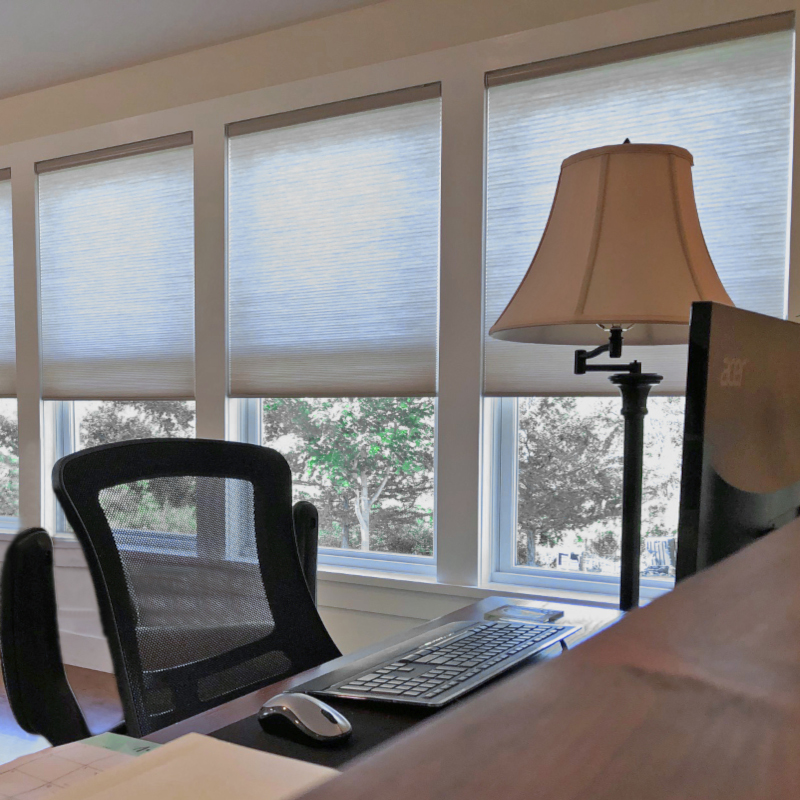
If your main goal is keeping cold air from making your home uncomfortable, cellular shades are our top recommendation.
Also called honeycomb shades, cellular shades are specifically designed with insulation in mind. Unlike roller shades, which consist of a single flat piece of fabric, cellular shades have a distinctive honeycomb construction that creates pockets of air within the material. Those air pockets act as an insulating barrier between your window and the room, helping slow the transfer of heat.
In the winter, that means less warmth escaping through your windows. In the summer, the same insulating properties can help reduce unwanted heat gain.
At EcoSmart Shades, we offer several cellular shade configurations, including single-cell and cell-in-cell fabrics, light-filtering and blackout options, and a variety of operating styles.
2. Cell-in-Cell Cellular Shades: For Extra Insulation

If you’re dealing with particularly cold windows, you might want to take insulation a step further.
That’s where cell-in-cell cellular shades come in. As the name suggests, these shades feature a honeycomb structure with an additional cell nested inside the larger cell.
This creates additional insulating air pockets within the fabric, helping reduce heat transfer between the window and your living space.We like to think of it as adding another layer of protection against the cold.
EcoSmart’s cell-in-cell fabrics offer greater insulation than our standard single-cell fabrics, making them a great option for older homes, colder climates, and rooms with windows that tend to lose a lot of heat.They’re also worth considering if you’re looking for ways to improve your home’s energy efficiency without replacing the windows themselves.
3. Blackout Cellular Shades: Insulation and Light Control

Blackout cellular shades are another excellent option for drafty windows, especially in bedrooms.
Like other cellular shades, they use honeycomb-shaped air pockets to reduce heat transfer. But their room-darkening fabric construction provides an additional benefit: greater insulation.
In fact, EcoSmart’s room-darkening cellular fabrics offer the highest level of insulation within our cellular fabric collection. And, of course, there’s the light-blocking benefit!
Blackout cellular shades are particularly useful in bedrooms, nurseries, and other spaces where you want to keep the room dark and comfortable.
If you’ve ever woken up on a cold winter morning and dreaded getting out from under the covers, you can probably appreciate the appeal of a warmer bedroom.
4. Cellular Shades With Side Tracks: For Better Coverage
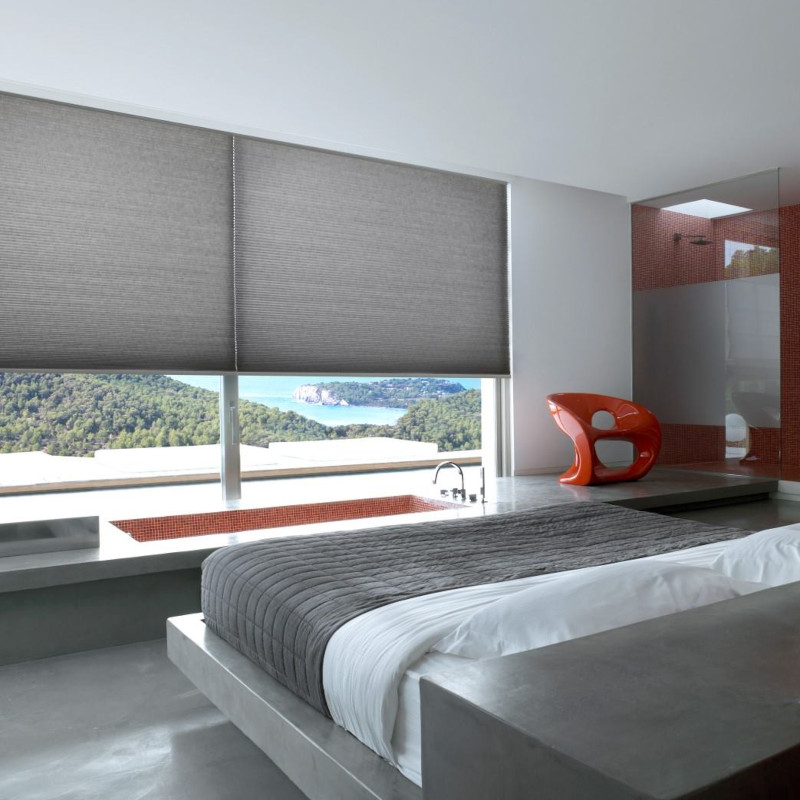
Here’s something you might not have considered: even a highly insulating window shade can lose some of its effectiveness if there’s too much space around the edges.
When a shade is installed inside a window frame, small gaps may remain between the fabric and the sides of the window. These gaps allow air to circulate between the window and the room, reducing the effectiveness of the insulating barrier.That’s why we offer optional energy-saving side tracks for compatible cellular shades.
Side tracks run along the edges of the window opening, helping reduce airflow around the sides of the shade.
By limiting that air movement, they help the shade do a better job of insulating the window.
For particularly cold windows, combining insulating cellular fabric with side tracks can be an excellent way to improve comfort.
It’s important to remember that side tracks aren’t a substitute for repairing actual air leaks around your windows. But they can help improve the performance of your window coverings.
What About Roller Shades?
Roller shades are a popular window covering for good reason: they’re sleek, easy to operate, and available in a wide variety of fabrics and light-control options.
But if your primary concern is insulation, cellular shades are generally the better choice. Unlike cellular shades, roller shades don’t have a honeycomb structure designed to trap air. While certain roller fabrics can help manage sunlight and solar heat gain, they typically don’t provide the same level of insulation against winter heat loss.
That doesn’t mean roller shades aren’t useful! For rooms where controlling glare, blocking UV rays, or maintaining a minimalist appearance is the priority, roller shades can be an excellent option.
But for windows that make your home feel especially cold in the winter, we’d recommend starting with cellular shades.
A Few More Ways to Make Drafty Windows More Comfortable
Window shades can make a noticeable difference in how comfortable your home feels, but they’re just one part of the equation.
If you’re dealing with particularly drafty windows, here are a few other things worth considering:
- Check your weatherstripping: Worn or damaged weatherstripping can allow outdoor air to enter around the window sash.
- Seal gaps around window frames: Caulking appropriate gaps can help reduce unwanted air leakage.
- Close your insulating shades at night: Keeping shades lowered during cold evenings can help reduce heat loss through the glass.
- Take advantage of winter sunlight: On sunny days, opening shades on south-facing windows can allow the sun to help warm your home. Just remember to close them again when the sun goes down!
Combining these simple improvements with insulating window shades can help make your home more comfortable throughout the winter.
You don’t have to put up with chilly rooms just because your windows aren’t as energy-efficient as you’d like.
The right insulating window shades can help reduce heat loss, improve comfort, and make your home feel a little cozier when temperatures drop.
At EcoSmart Shades, we’ve spent decades manufacturing custom insulating window shades right here in Vermont. And if there’s one thing we understand, it’s cold winters!
Whether you’re looking for standard cellular shades, extra-insulating cell-in-cell fabrics, or cellular shades with energy-saving side tracks, we’re here to help you find the right solution for your windows.
Ready to make your home a little warmer this winter?