SIGN UP FOR THE
ECOSMART NEWSLETTER
NEVER MISS A DEAL!

Custom-Crafted Insulating Shades
$344.00 $172.00
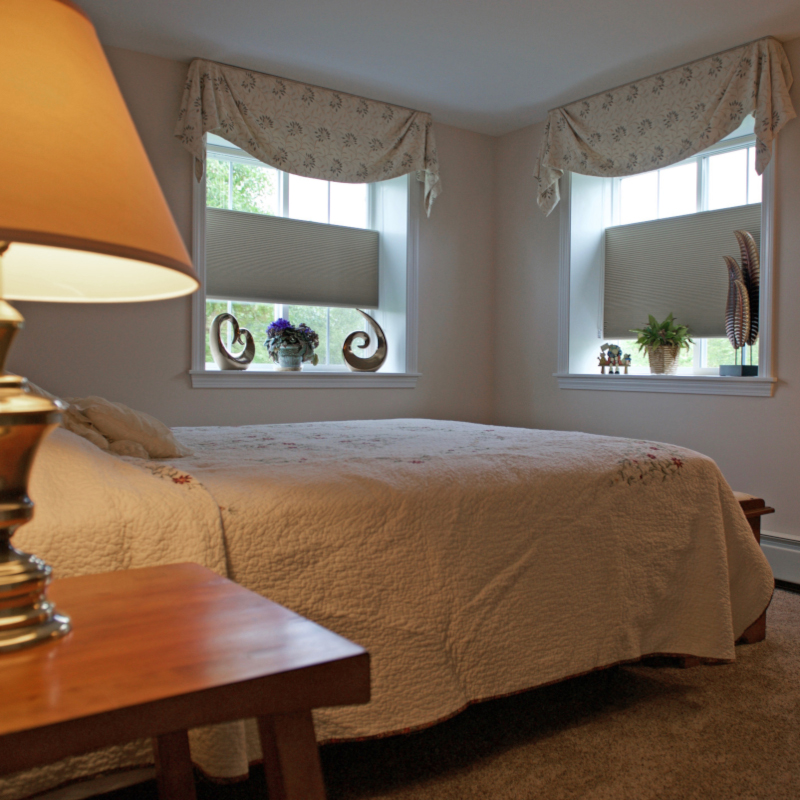
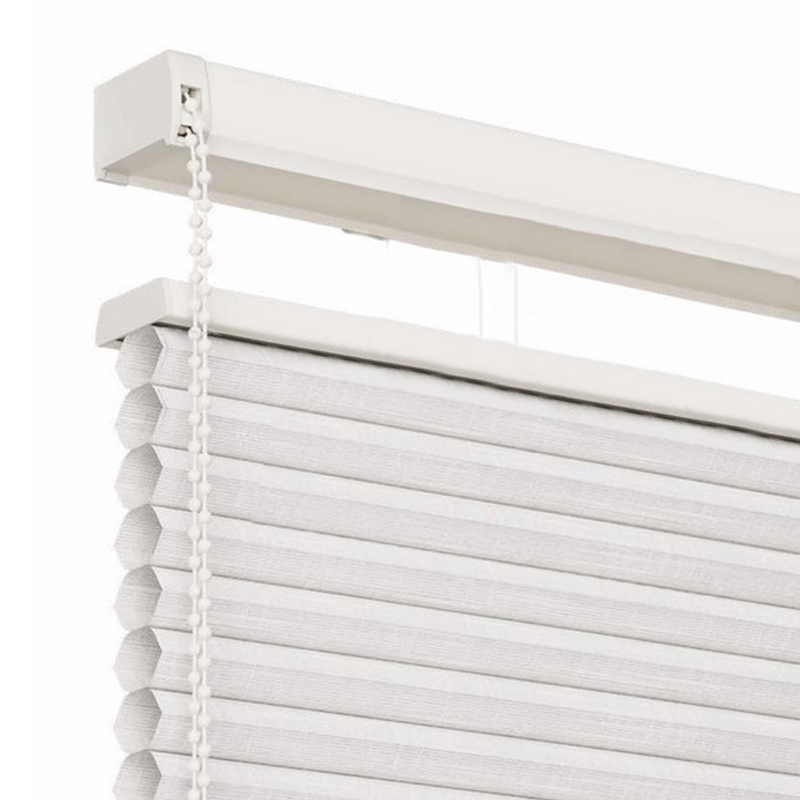
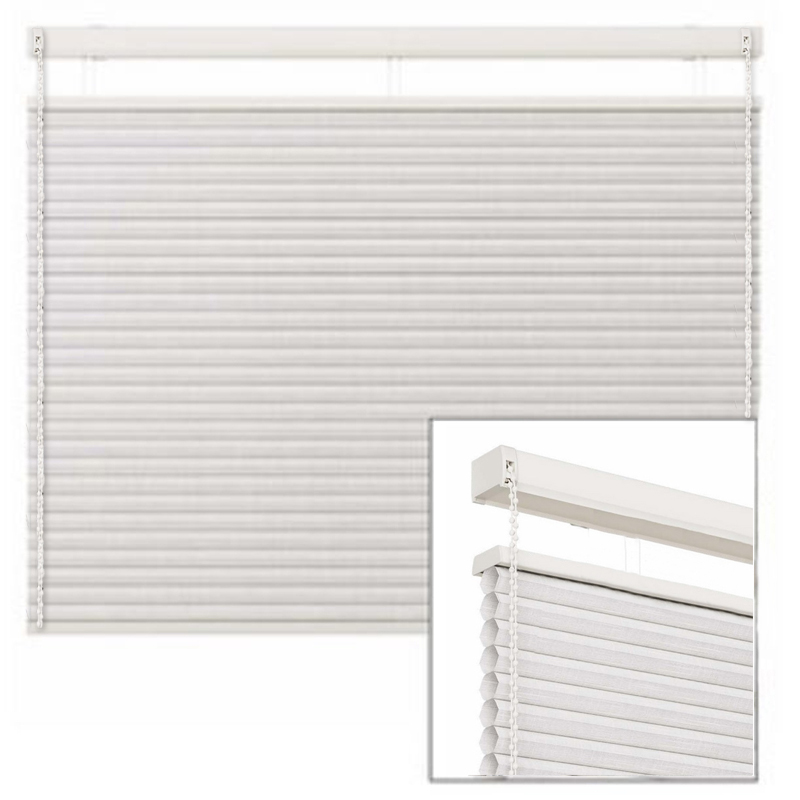
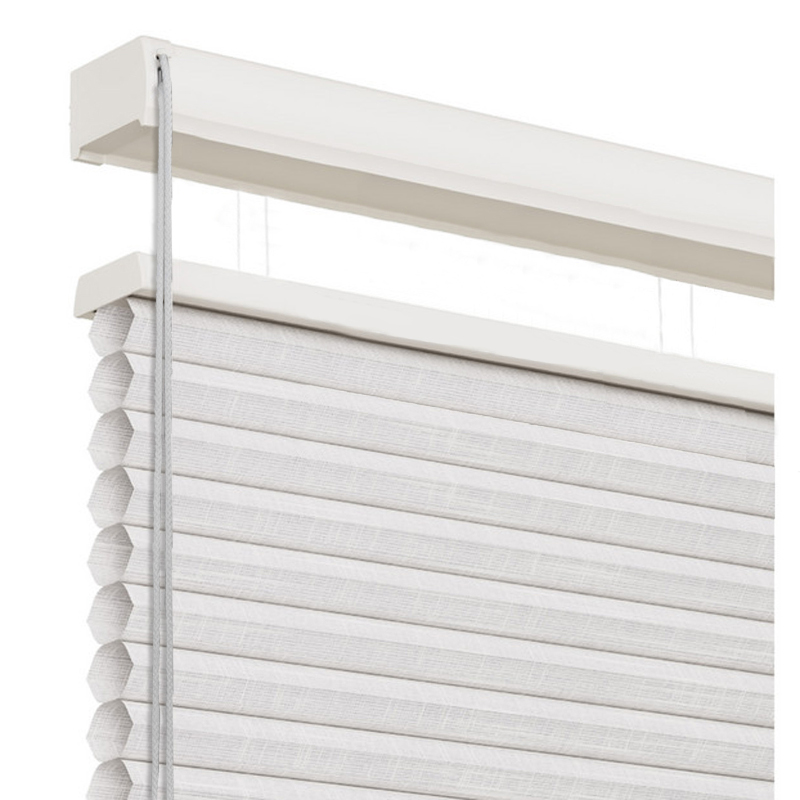
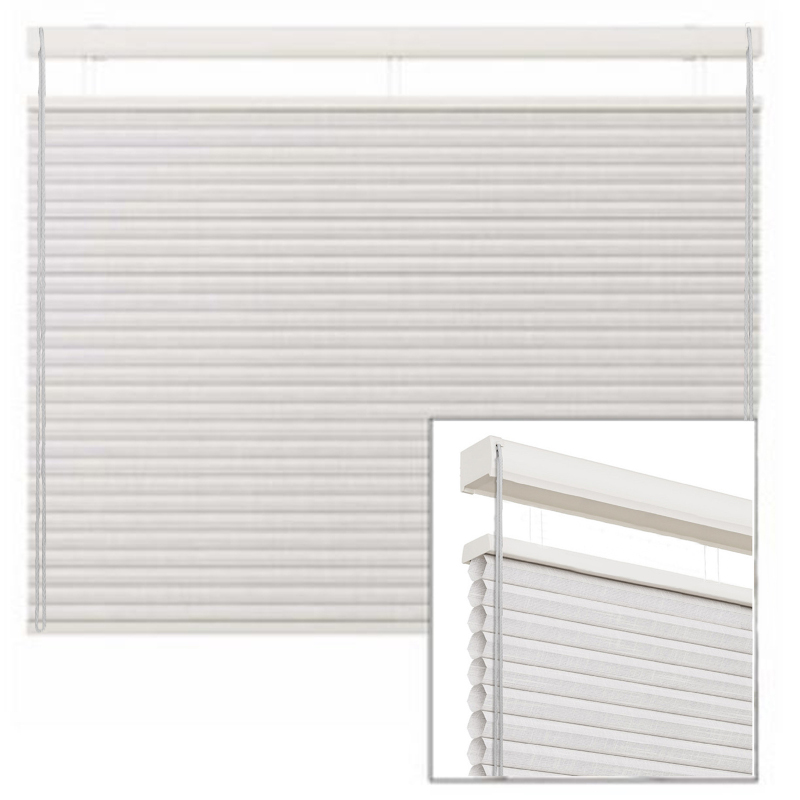
Our brand new EcoSmart 2.0 Continuous Cord Loop Top-Down Bottom-Up Blackout cellular window shades raise from the bottom and lower from the top using a cord loop on each side of the shade. A simple, reliable clutch and pulley system guarantees a long life for these room-darkening, extremely energy-efficient honeycomb blinds. An excellent choice even for large windows or sliding glass doors, these stylish blackout shades are available with a variety of honeycomb fabric colors or textured looks, each of which offers amazing insulation and modern 3/4-inch pleats.
These custom cellular shades combine three useful features in one window treatment: blackout fabric for greater darkness and privacy, top-down/bottom-up operation for flexible positioning, and a continuous cord loop system designed for smooth operation even on larger shades.
Traditional bottom-up shades give you one basic choice: cover more of the window or uncover more of it. Top-down/bottom-up operation adds another level of control by allowing you to independently adjust the upper and lower portions of the window.
For example, you can keep the lower part of a bedroom or street-facing window covered for privacy while lowering the top of the shade to bring daylight into the room. When you want maximum room darkening, simply close the shade completely.
Browse all Top-Down/Bottom-Up Cellular Shades to compare other operating styles and fabric options.
Continuous cord loop shades use an internal clutch-and-pulley system rather than requiring you to lift the shade directly from the bottom rail. This makes operation smooth and controlled and is particularly useful for larger or heavier cellular shades.
On this top-down/bottom-up configuration, one loop controls the bottom rail and the other controls the top. You can also choose which side performs each function when configuring your shade.
Learn more about how this system compares with cordless, twin pull, and motorized options in our Cellular Shade Styles guide.
EcoSmart room-darkening cellular fabrics block 99% of incoming light through the fabric and provide complete privacy. This makes them particularly well suited to bedrooms, nurseries, media rooms, and other spaces where reducing daylight is important.
Blackout cellular shades do not make the entire window opening completely light-tight. Some light can still enter around the four edges of the installed shade, even when the fabric itself is blocking nearly all incoming light.
Learn more about light filtering, room darkening, single-cell, and cell-in-cell materials in our Cellular Fabric guide.
For compatible inside-mounted windows, optional EcoSmart Cellular Side Tracks can reduce the amount of light and air that travels through the gaps along the sides of the shade.
Side tracks do not make the window completely light-tight or airtight, but they can improve both edge light control and thermal performance. They are available for compatible cellular shades up to 94 inches high and require sufficient flat mounting space inside the window frame.
Both fabric constructions use 3/4-inch honeycomb pleats and provide excellent insulation, but their internal structures differ.
Single-cell fabric contains one insulating honeycomb air pocket. It provides strong thermal performance while keeping the shade somewhat lighter.
Cell-in-cell fabric places a smaller honeycomb cell inside the larger one, adding another insulating air pocket. Choose cell-in-cell when maximizing thermal performance is a higher priority.
You can learn more about how cellular construction affects thermal performance in our Cellular Shade Insulation and R-Value guide.
Choose this continuous cord loop version when you want:
If you want the same top-down/bottom-up functionality without operational cord loops, compare our Cordless Top-Down/Bottom-Up Blackout Cellular Window Shades.
If you prefer natural light rather than room darkening, choose Continuous Cord Loop Top-Down/Bottom-Up Light-Filtering Cellular Window Shades.
You can also browse all Blackout Cellular Shades to compare available operating systems.
Accurate measurements are especially important for a custom top-down/bottom-up shade. Review our Measuring for Cellular Shades guide before entering your dimensions, particularly if you are deciding between an inside and outside mount or considering side tracks.
Installation is straightforward once your shade arrives. See our Cellular Shade Installation guide for instructions and videos.
Color, texture, and room-darkening performance are easier to evaluate in your home’s actual lighting. Order Free Cellular Shade Fabric Samples before purchasing to compare single-cell and cell-in-cell fabrics and find the best color for your space.
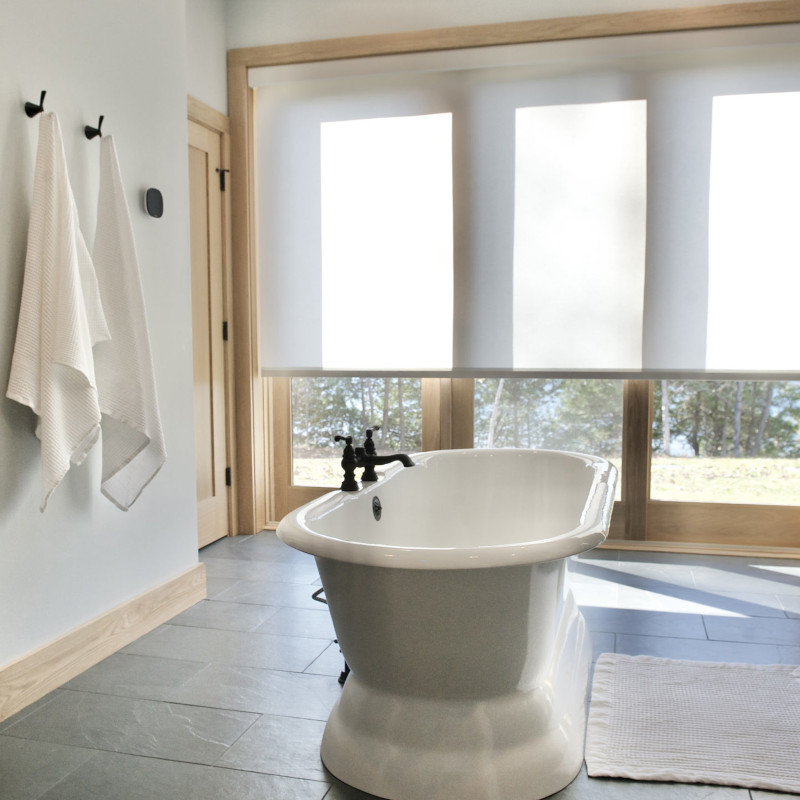
EcoSmart Cordless Light-Filtering Roller Shades are the sleek, modern window covering for those who want smooth, cord-free operation with a simple, stylish aesthetic and outstanding longevity. Simply raise or lower your cordless roller blind by hand to the desired height and it stays where you've placed it. Available translucent roller/solar fabrics range from a sheer 10% transparency to an only slightly open weave at 1% transparency, so you'll find the right solution for the amount of light penetration and privacy you desire in each particular room. To add an even more elegant look, choose an optional cassette roller covering (similar to a valance). Whatever you select, we'll build your American-made shades to your exact specifications and ship them right to your door.
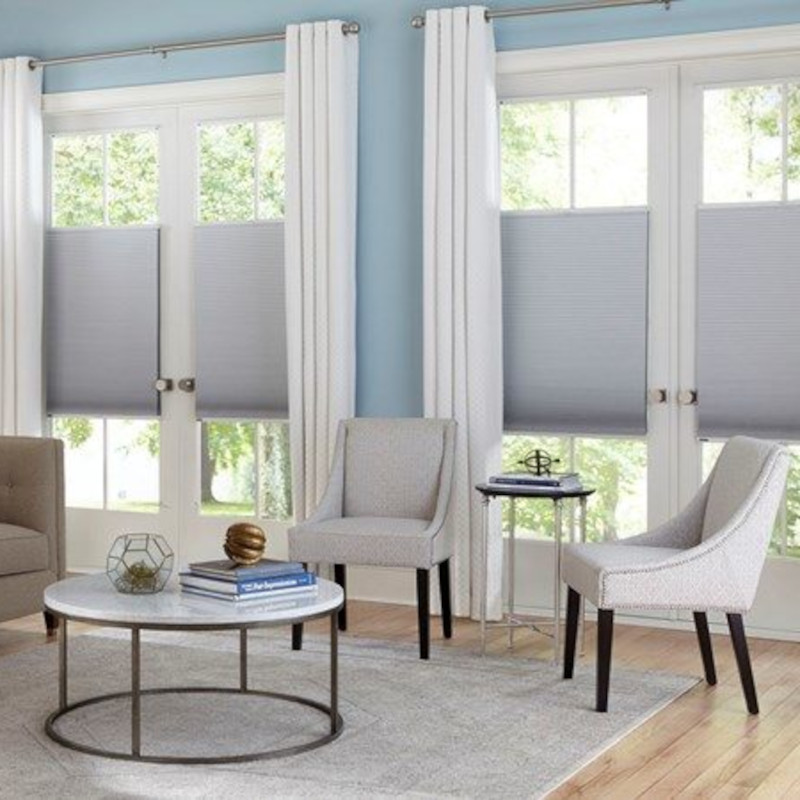
Our brand new EcoSmart 2.0 Twin Pull Top-Down/Bottom-Up Light-Filtering cellular window blinds raise and lower with sleek pull wands that encase the operating cords for child and pet safety. A set of two wands on each side allow you to operate either the bottom or the top of the shade (or both!) with precision control for ultimate privacy and light control. These translucent honeycomb shades look amazing and provide outstanding functionality. Choose from a variety of gorgeous honeycomb fabric colors or textured looks, each of which offers excellent insulation and modern 3/4-inch pleats.
Select options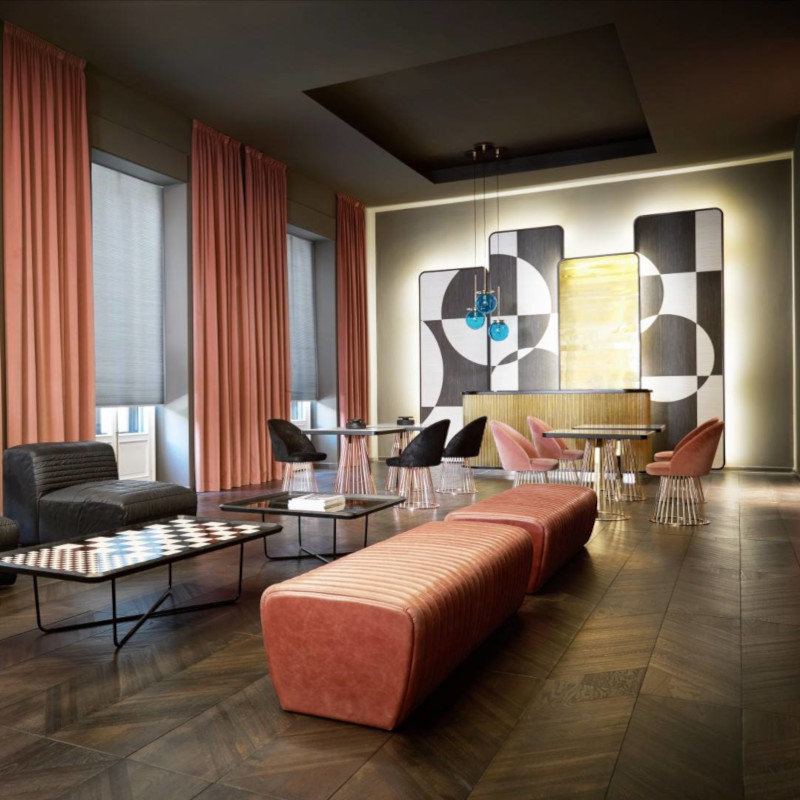
Our brand new EcoSmart 2.0 Motorized Light-Filtering cellular window shades, powered by MotionBlinds motors with Bluetooth technology, are the automated solution you've been looking for. Operate these incredible translucent honeycomb blinds with a remote control or use the attached wand. Powered by a high-capacity, rechargeable lithium-ion battery built right into the motor, you'll get months and months of amazing shade automation between charges. Available with any of our stylish new 3/4-inch cell (pleat) fabrics.
Select options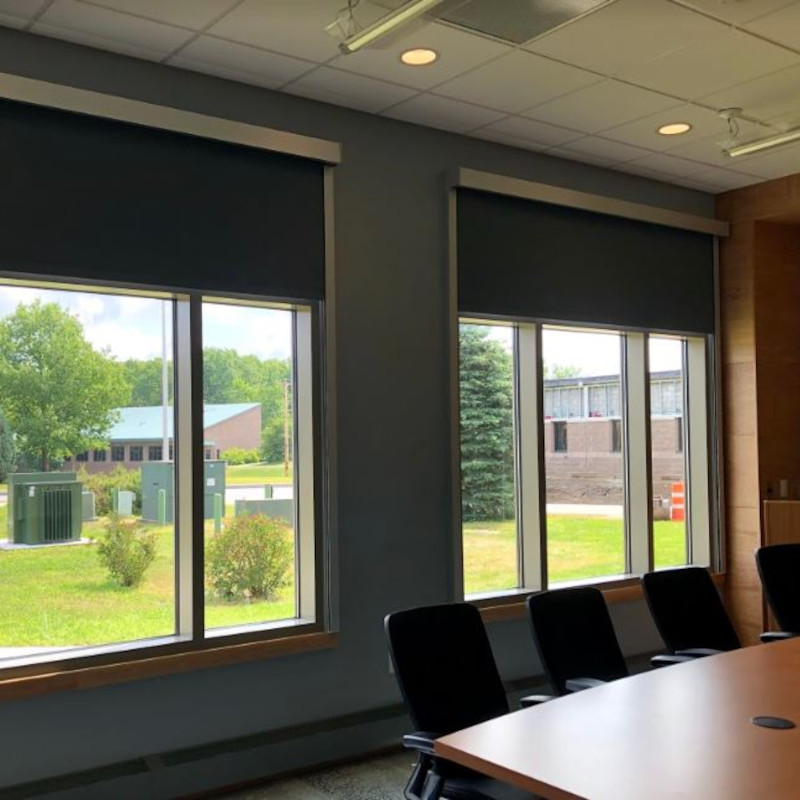
EcoSmart Motorized Blackout Roller Shades combine strong room darkening and complete privacy with the clean, streamlined look of a custom roller shade. Available with rechargeable battery or plug-in power, they can be operated by remote control or paired with an optional Wi-Fi hub for app, timer, and smart-home control. Choose your fabric, exact window dimensions, hardware, power source, and automation options, and we’ll custom-build your shades in our Vermont, USA facility.
Select options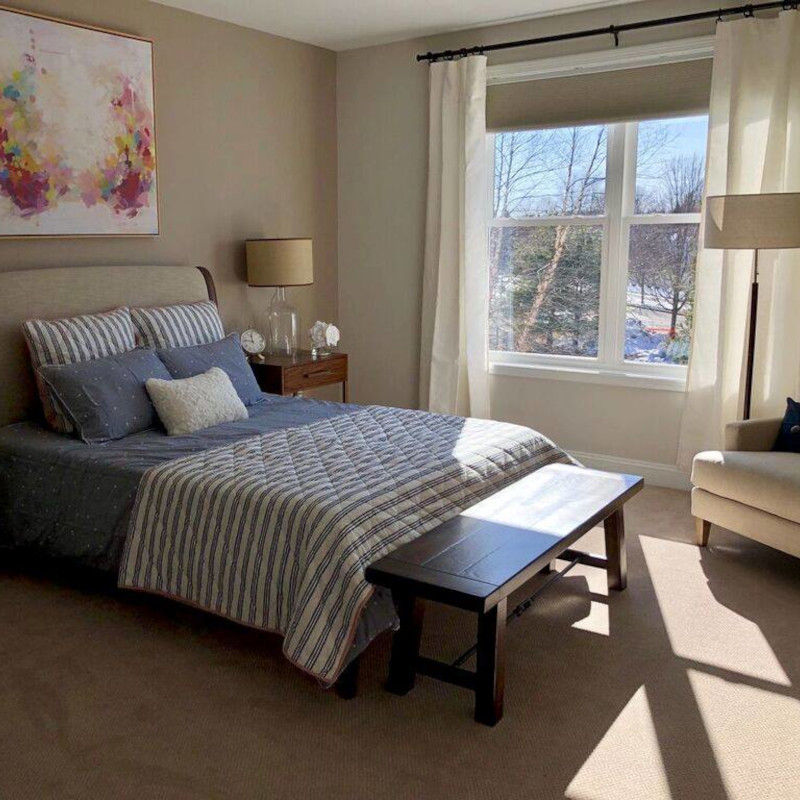
Our brand new EcoSmart 2.0 Twin Pull Blackout cellular shades raise and lower with sleek pull wands that enclose the operating cords for child and pet safety. Award-winning engineering and simple, reliable operation make these elegant room-darkening cellular blinds an ideal choice for homes with kids or pets, while also providing outstanding privacy. Choose from a variety of beautiful cell-in-cell fabric colors or textured looks, each of which offers superior insulation and modern 3/4-inch pleats.
Select options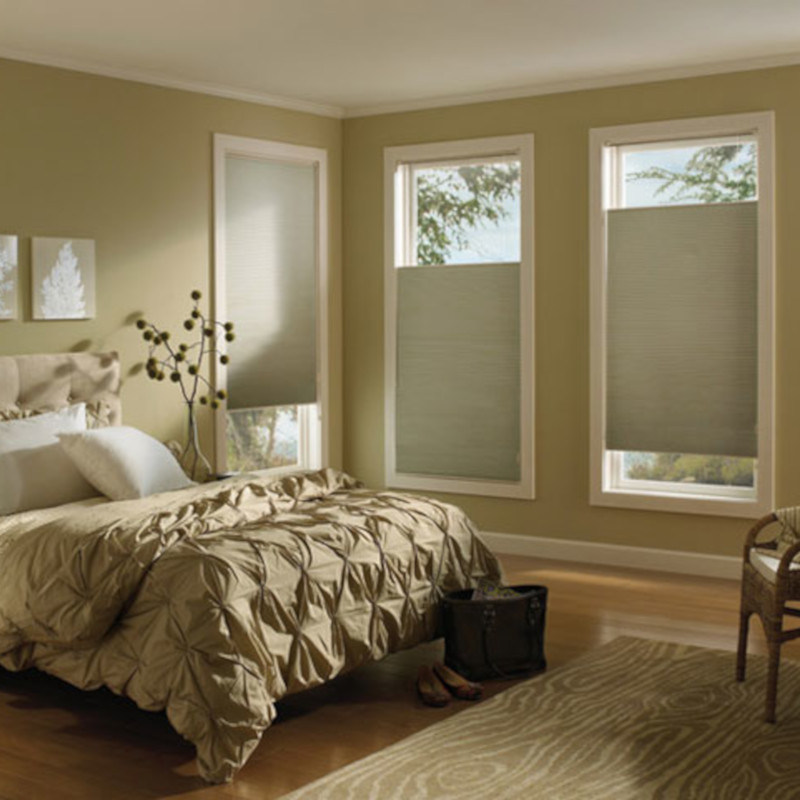
Our brand new EcoSmart 2.0 Motorized Top-Down/Bottom-Up Blackout cellular window shades - powered by MotionBlinds motors with Bluetooth technology - give you the best of all worlds. With the convenience of automation, the privacy and controlled light blocking of top-down/bottom-up operation, and the superior insulation of room darkening fabrics, these amazing cellular blinds offer every high-end feature in a modern, stylish window covering. Available with any of our elegant new energy-efficient 3/4-inch cell (pleat) fabrics.
Select options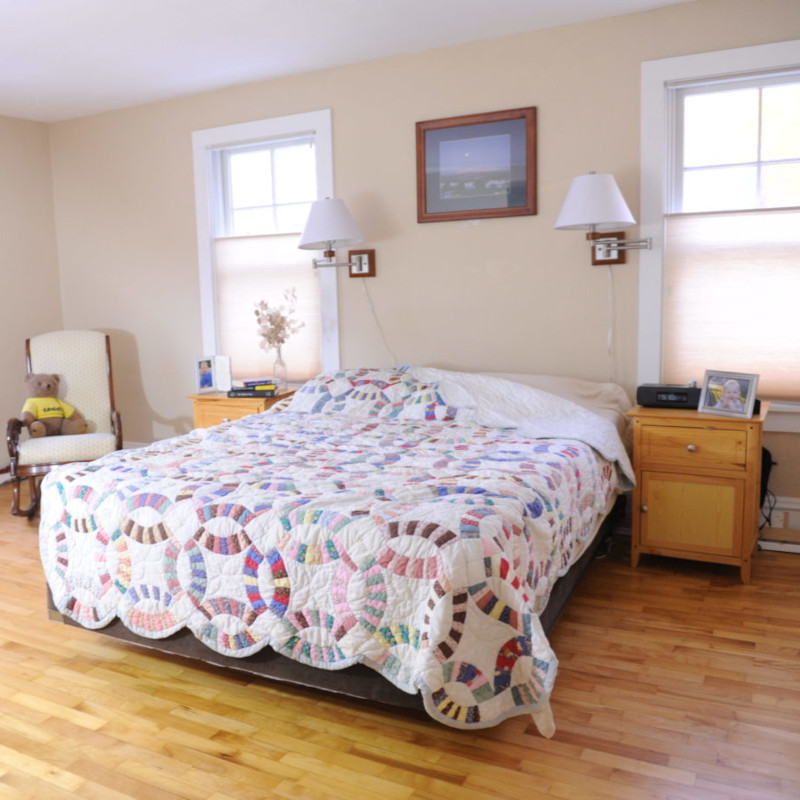
Our brand new EcoSmart 2.0 Cordless Top-Down/Bottom-Up Light-Filtering cellular window shades raise from the bottom and lower from the top using a small handle on each of the two rails that hold the shade fabric. You decide how much light and privacy you need at any particular time, and set the top and bottom of the shade accordingly. These are the kid-safe and pet-safe, no-cord, light-filtering honeycomb blinds that truly do it all!
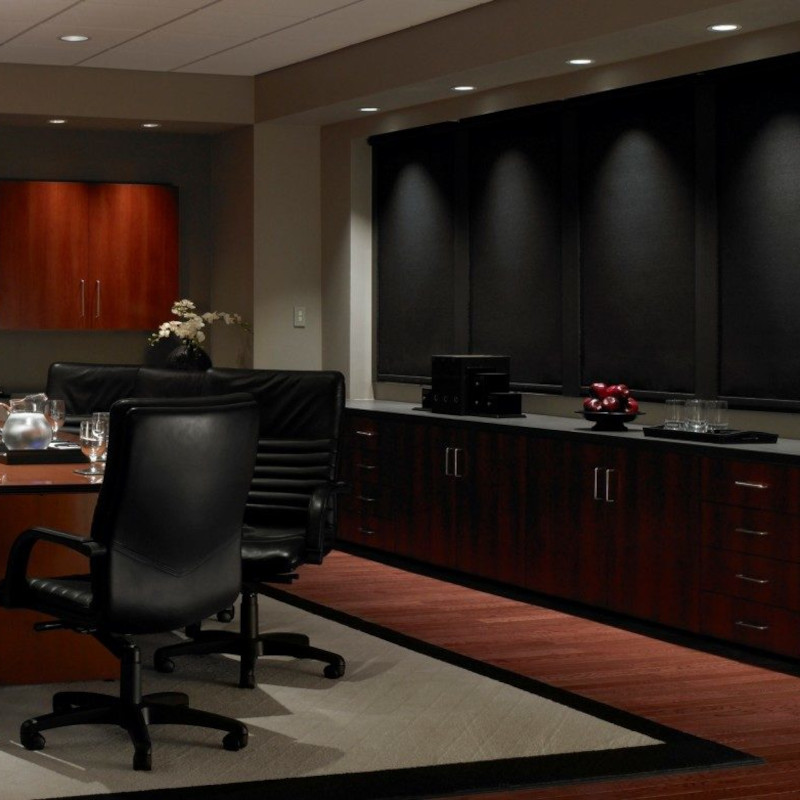
EcoSmart Cordless Blackout Roller Shades are the sleek, modern window covering for those who want easy no-cord operation with excellent light control and amazing durability. Raise or lower your cordless room-darkening roller blind to any level you prefer and it remains where you've placed it. Available blackout fabrics range from simple opaque colors to more textured-looking designer variations. Our cordless blackout shades will increase privacy, darken your room, and reflect heat in the warmer months. Add an optional cassette roller covering for even more style. Whatever you choose, we'll build your USA-made shades the way you want them and ship them right to you.
Reviews
There are no reviews yet